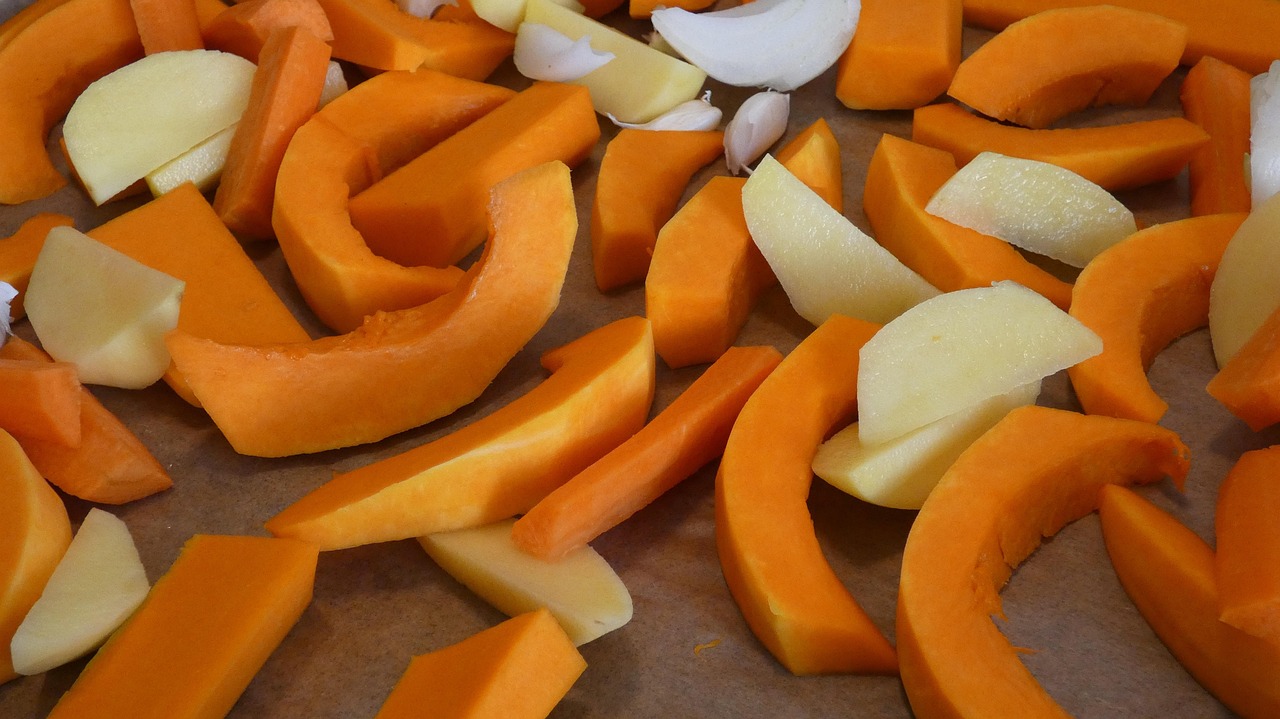
Fresh pumpkins from the garden or market roast into tender, caramelized cubes that work in pies, soups, and side dishes alike. If you want to know how to cook a fresh pumpkin in the oven, the process is simpler than most people think. You only need a sharp knife, a baking sheet, and about an hour of oven time.
This guide walks you through choosing the right pumpkin, prepping it safely, and roasting it until it’s soft and sweet. You’ll also learn how to store the results and use them in everyday meals.
Why Roasting Beats Boiling
Roasting pulls moisture out of the flesh and concentrates the natural sugars. That means deeper flavor and a thicker texture, which matters a lot in pies and soups.
Boiling, on the other hand, waters down the taste and leaves you with a soggy mash. Once you roast a pumpkin, you probably wont go back.
- Better flavor from caramelization
- Firmer texture for cubing
- No extra pots to clean
- Works for sweet and savory recipes
How To Cook A Fresh Pumpkin In The Oven
Here is the full method, from whole pumpkin to ready-to-use flesh. Set aside roughly 60 to 90 minutes total, depending on the size of your squash.
Step 1: Pick The Right Pumpkin
Not every pumpkin tastes good. Big carving pumpkins are stringy and bland. For cooking, look for sugar pumpkins, pie pumpkins, or small heirloom varieties.
- Heavy for its size
- Firm, unbruised skin
- Intact stem
- Roughly 2 to 5 pounds
Step 2: Preheat And Prep
Heat your oven to 375°F (190°C). Line a rimmed baking sheet with parchment paper or foil for easy cleanup.
Wash the pumpkin under cool water and dry it well. Any dirt left on the skin can end up in the flesh when you cut it.
Step 3: Cut The Pumpkin Safely
This is the part where most people struggle. A few small tricks make it much easier.
- Cut off the stem end with a chef’s knife.
- Stand the pumpkin upright on the flat cut.
- Slice straight down through the middle.
- Scoop out seeds and stringy pulp with a spoon.
If the pumpkin is very hard, microwave it whole for 2 to 3 minutes first. This softens the skin just enough to make cutting safer.
Save The Seeds
Don’t toss the seeds. Rinse them, pat them dry, and roast them later with a little oil and salt. They make a great snack while your pumpkin bakes.
Step 4: Arrange On The Pan
You have two options here, and both work well.
- Halves: Place cut-side down for steam or cut-side up for more caramelization.
- Cubes: Peel, cut into 1-inch chunks, and spread in a single layer.
For halves, cut-side down gives you softer flesh that’s perfect for puree. Cut-side up gives you browned edges and a richer taste.
For cubes, toss them with a tablespoon of oil and a pinch of salt. Spread them out so they don’t touch. Crowded cubes steam instead of roast.
Step 5: Roast Until Tender
Timing depends on the size of your pieces.
- Halves: 45 to 60 minutes
- Cubes: 25 to 35 minutes
- Small whole pumpkins: 60 to 75 minutes
Flip the cubes halfway through so they brown evenly. The pumpkin is done when a fork slides in with no resistance.
Step 6: Cool And Scoop
Let the pumpkin rest for 10 to 15 minutes. It will be very hot, so give it time.
For halves, scoop the flesh out with a spoon and discard the skin. For cubes, just use them as they are. The skin on small sugar pumpkins is thin enough to eat, but most people peel it off.
How To Use Your Roasted Pumpkin
Now that you have cooked pumpkin, the options are wide open.
- Mash it for pies, muffins, and pancakes
- Blend it into soups and curries
- Toss cubes into salads and grain bowls
- Fold it into pasta or risotto
- Freeze it in 1-cup portions for later
One 3-pound sugar pumpkin usually yields about 2 to 3 cups of puree. That’s enough for one large pie plus a little extra.
Storing Roasted Pumpkin
Proper storage keeps your hard work from going to waste.
- Fridge: 4 to 5 days in an airtight container
- Freezer: up to 3 months in freezer bags
- Puree: freeze flat in bags for quick thawing
Press out extra air before sealing freezer bags. This prevents freezer burn and keeps the flavor fresh.
Common Mistakes To Avoid
Even simple recipes go wrong sometimes. Watch out for these issues.
- Using a carving pumpkin instead of a sugar pumpkin
- Cutting cold pumpkin without softening it first
- Overcrowding the baking sheet
- Pulling it out before the flesh is fully tender
- Skipping the cool-down and burning your hands
Also, don’t peel cubes before roasting if you plan to mash them. The skin comes off easily after baking, and it protects the flesh while it cooks.
Final Tips For Best Results
Use a heavy baking sheet. Thin pans warp at high heat and cause uneven browning.
Keep the oven rack in the middle position. This gives you the most even heat around the pan.
Season with more than salt if you like. Cinnamon, nutmeg, or smoked paprika all work depending on whether you’re going sweet or savory.
Taste a piece before you store it. If it’s bland, your pumpkin was probably underripe or the wrong variety. Next time, pick a heavier, smaller squash.
Once you roast your own pumpkin, the canned stuff starts to feel like a backup plan. The method is easy, the cleanup is quick, and the flavor is far better. Grab a sugar pumpkin this week and give it a try.